







The guide · Disciplines
Flat, trotting, AQPS or jumps: which discipline to buy into
The discipline sets your entry price, the training fees, the time before a first run and the body that grants your owner approval.
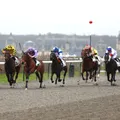
- Flat
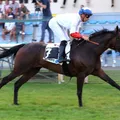
- Trotting
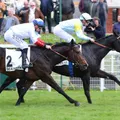
- Jumps
- AQPS
€1,000
Entry price for a trotter, rising to several hundred thousand euros
LeTrot, Buying a trotter and what it costs, accessed 16 October 2026
€750 to €1,500 excl. VAT
Monthly training fees for a trotter in training
LeTrot, Buying a trotter and what it costs, accessed 16 October 2026
€1,500 to €3,000
Monthly training fees for a Flat or jumps horse
France Galop, Becoming an Owner FAQ, accessed 16 October 2026
Definition
What is an AQPS?
AQPS, short for Autre Que Pur-Sang (literally ‘other than Thoroughbred’), is a French racehorse bred for jump racing. Despite its name, it is a breed in its own right, with its own stud book, whose rules are published by France Galop and the association of AQPS breeders and owners.
So you are buying a specialist, whose career starts later and lasts longer than on the Flat, over long distances and obstacles.
- At least 87.5% Thoroughbred blood, and less than 100%
- Mainly over jumps: hurdles, steeplechase and cross-country, against Thoroughbreds and Anglo-Arabs
- A few Flat races are reserved for them

The comparison
The four disciplines, side by side
What each discipline commits you to, based on figures from the racing authorities and the sale companies.
| Criterion | Flat, Thoroughbred | Flat, Purebred Arabian | Trotting, French Trotter | Jumps, Thoroughbred and AQPS |
|---|---|---|---|---|
| Governing body | France Galop | France Galop | LeTrot | France Galop; AQPS stud book with the AQPS association |
| Entry price observed | Median of €160,000 at the August 2026 sale, €23,000 at the October 2025 sale (Arqana) | Dedicated Arqana sales: Saint-Cloud on 1 October 2026, online in November | From €1,000 according to LeTrot, up to several hundred thousand euros | Private sales and specialist sales, including the sessions for young jumps horses at Arqana’s Autumn Sale |
| Training fees | €1,500 to €3,000 a month (France Galop) | €1,500 to €3,000 a month (France Galop) | €750 to €1,500 excl. VAT a month (LeTrot) | €1,500 to €3,000 a month (France Galop) |
| First run | From 2 years old | Dedicated programme, under France Galop | From 2 years old, after a qualifying race | Later than on the Flat, with a career spread over more time |
| Premiums and owners’ pool | Premium of 75% of prize money at 2 and 3, 45% at 4 and up, 33% in Group 1, for a horse born and raised in France or treated as such | Owners’ pool written into the conditions of the reserved Listed and Group races in 2026 | Governed by LeTrot’s rules | Premium of 15% for fillies aged 3 to 5 born and raised in France or treated as such; owners’ pool over jumps created in 2026 |
Sources: France Galop, Becoming an Owner FAQ and the main changes to the General Conditions for 2026; LeTrot, Buying a trotter and what it costs; Arqana, results of the August 2026 and October 2025 yearling sales, calendar and catalogue of the 2026 Autumn Sale; AQPS stud book rules. Accessed 16 October 2026.
The first decision
The discipline comes before the horse.
Four families of horses race in France, and the discipline is chosen before the horse: it determines the entry price, the time before a first run, where the horse trains and the body that will grant your owner approval. The Thoroughbred races at the gallop, on the Flat and over jumps, under the authority of France Galop. The Purebred Arabian has its own programme, also under France Galop. The French Trotter races in harness and under saddle, under the authority of LeTrot. The AQPS, short for Autre Que Pur-Sang, is bred for jump racing and carries at least 87.5% Thoroughbred blood.
Flat racing: Thoroughbreds and Purebred Arabians
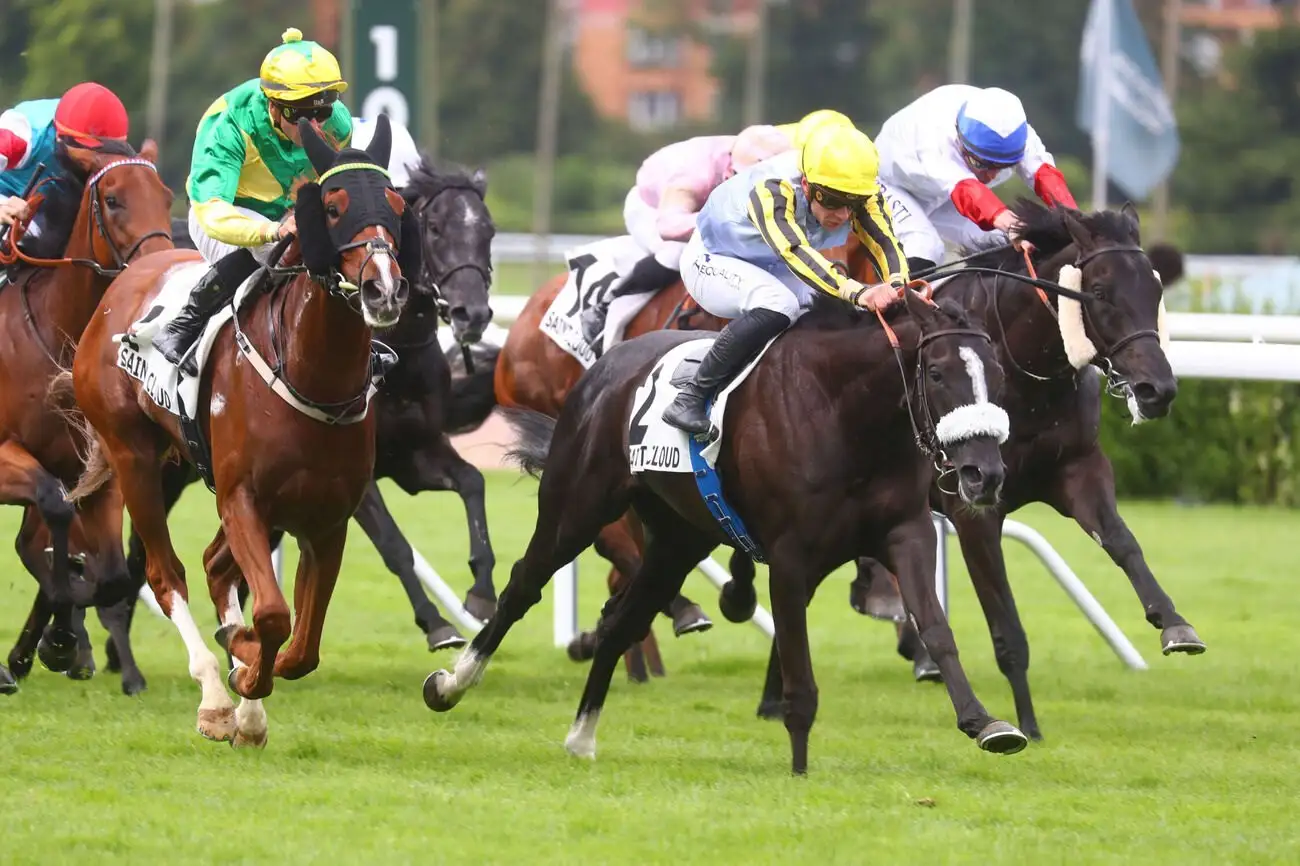
The Flat is the most international of the four markets. Thoroughbreds can race on the Flat from the age of 2, and their racing career is generally the shortest of the four disciplines. The direct effect on the numbers: the cost of ownership is concentrated over a few years, and resale value reveals itself quickly, for better or for worse.
Purchase prices also vary the most here. The medians in the table show it: depending on the sale, the word yearling covers two distinct markets, and the calendar matters as much as the pedigree. The sale-by-sale detail is in our chapter on auction sales.
The Purebred Arabian races on its own programme. Since 1 January 2026, the deduction for the owners’ pool has been written into the conditions of the Listed and Group races reserved for Purebred Arabians, following arrangements agreed with the Association Française du Cheval Arabe de Course. Flat racing, with Thoroughbreds and Purebred Arabians alike, is YOHEA’s speciality.
Trotting: the French Trotter
The French Trotter races in harness (trot attelé), pulling a sulky and its driver, and under saddle (trot monté), ridden by a jockey. The vast majority of races are run in harness. The governing body is LeTrot, and that is where you apply for owner approval.
It is the most accessible of the four disciplines. The purchase price: according to LeTrot, a trotter can be bought from birth and at any point in its life, at very variable prices. The cost of training: training fees are roughly half those of Flat and jump racing, according to the ranges published by the two authorities. The pace: a trotter generally runs more often, which multiplies its chances of being placed.
That accessibility comes from a different market structure. A trotter that runs often and is regularly placed generates more lines of income, on lower training fees, than a Flat horse that runs little: that is the economic case for trotting.
Jump racing and steeplechasing
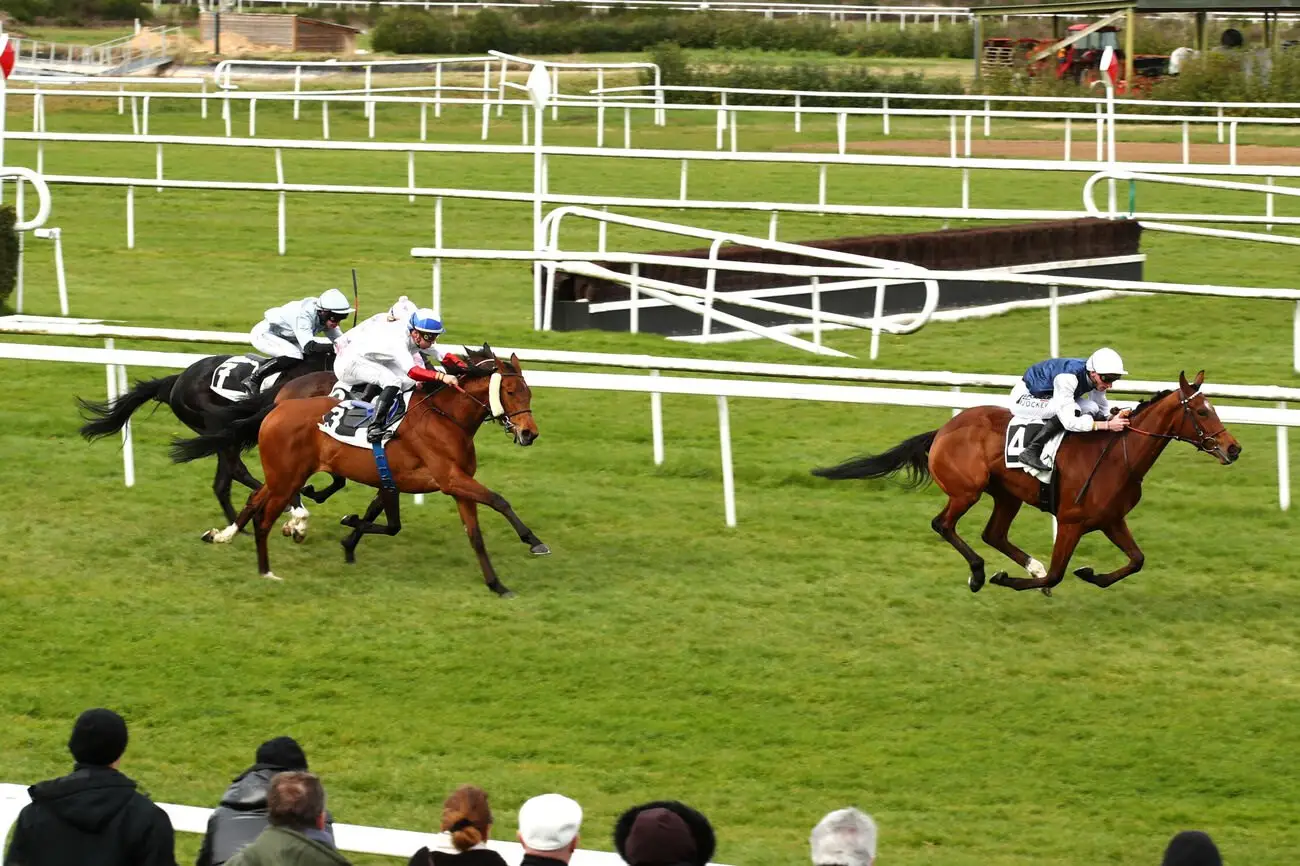
Jump racing covers steeplechases, hurdle races and cross-country races, where Thoroughbreds, AQPS and Anglo-Arabs run together. The programme starts later than on the Flat, distances are long, the ground is often soft and careers are spread over a longer period.
France Galop’s 2026 General Conditions, in force since 1 January 2026, directly concern buyers. France Galop has created an owners’ pool for jump racing, funded by entries in Group 1 races and intended to finance the main jump races. A standardised prize-money scale based on race level now applies to PMH races (races with on-course betting only), on the Flat and over jumps. A weight-for-age scale has been introduced over jumps. Finally, horses that have won a Listed race (handicaps excepted) or finished in the first three of a Group race over hurdles or fences since 1 January 2024 are no longer eligible for PMH jump races.
Jump racing also raises the veterinary bar. A horse that jumps, on soft ground, carrying weight, puts different stress on its joints: an X-ray finding that would be tolerable in a 3-year-old Flat horse can be disqualifying for a jumping career. Our chapter on how to choose a racehorse explains how to weigh up these reservations.
Sources
- Rules of the French stud book for the Autre Que Pur-Sang horse, published by France Galop and the association of AQPS breeders and owners: Thoroughbred blood equal to or greater than 87.5% and less than 100%. Cited in the French-language Wikipedia article on AQPS, accessed 16 October 2026, which states that these horses race mainly over jumps and that some Flat races are reserved for them. aqps.fr; fr.wikipedia.org
- France Galop, Becoming an Owner FAQ: monthly training fees of €1,500 to €3,000, owners’ premiums for horses born and raised in France or treated as such, of 75%, 45% and 33% on the Flat and 15% for fillies aged 3 to 5 over jumps. Accessed 16 October 2026. france-galop.com
- France Galop, press release of 19 December 2025, main changes to the General Conditions for 2026, in force from 1 January 2026: owners’ pool in the Listed and Group races reserved for Purebred Arabians, owners’ pool over jumps, standardised prize-money scale for PMH races, weight-for-age over jumps, eligibility conditions for PMH jump races. Accessed 16 October 2026. france-galop.com
- LeTrot, Buying a trotter and what it costs: purchase prices from €1,000 to several hundred thousand euros, purchase possible from birth, training fees of €25 to €50 excl. VAT per day. Accessed 16 October 2026. letrot.com
- Arqana, August 2026 and October 2025 yearling sales, Deauville: medians of €160,000 and €23,000. Results reported by Thoroughbred Daily News and BloodHorse. 2026 calendar and Autumn Sale catalogue (16 to 19 November 2026). arqana.com
Depending on your situation
Which discipline suits which project
Without knowing your project yet, we offer a conditional framework rather than a recommendation.
- 01
Lasting the course on a controlled budget
The French Trotter is the most economical route: a lower entry price, lower training fees, more frequent racing. A first-time owner has the best chance here of seeing a whole season through.
- 02
Targeting the international market and resale value
Flat racing with Thoroughbreds is the most international market: performance turns into value fastest there. It is also the most expensive and the most dispersed: the median at the August 2026 sale was nearly seven times that of the October 2025 sale.
- 03
Choosing a specialism
Purebred Arabians and AQPS: two narrower markets, where knowing the families counts as much as the budget. A well-advised buyer has the biggest edge there.
- 04
Buying a horse that is already racing
The shortest route: in a claiming race, the minimum price is set in advance and you have just watched the horse run.
Frequently asked questions
Disciplines and breeds: your questions
What is an AQPS horse, and who is it for?
An AQPS, short for Autre Que Pur-Sang, is a French racehorse bred for jump racing, with its own stud book, whose rules are published by France Galop and the AQPS association. It carries at least 87.5% and less than 100% Thoroughbred blood. It suits an owner who accepts a later, longer career, over hurdles, steeplechase fences or cross-country, in a narrow market.
What is the difference between Flat or jump racing and trotting when you buy a horse?
Three differences settle it: the governing body, the cost and the pace. France Galop grants owner approval for Flat and jump racing, LeTrot for trotting. Training costs €1,500 to €3,000 a month in the former according to France Galop, against €750 to €1,500 excl. VAT for trotting according to LeTrot. And a trotter generally races more often, so the same training fees produce more chances of being placed.
Should my first horse be a galloper or a trotter?
On the published figures alone, a trotter costs the least: a purchase price from €1,000 according to LeTrot, training fees roughly half those for Flat and jump horses, and a busier racing calendar. Flat racing makes sense if your project is international, or if resale value matters as much as the racing.
Which breeds race in France?
Four main families: the Thoroughbred, on the Flat and over jumps; the Purebred Arabian, on its own dedicated programme; the French Trotter, in harness and under saddle; and the AQPS, bred for jump racing, with at least 87.5% Thoroughbred blood. The Anglo-Arab also races over jumps, alongside Thoroughbreds and AQPS.
How does a claiming race work?
The race conditions set a claiming price for the runners in advance: after the race, a horse can be bought for that price or more, under the racing authority’s rules. The mechanism levels out the fields. For a buyer, it is the quickest and clearest way into the French market: the minimum price is known, and you have just watched the horse run.
Which discipline offers the best prize money in France?
Multiply prize money by the number of races open to the horse: a good Flat or jumps race pays more than an everyday trotting race, but a trotter runs more often. On the Flat, France Galop’s owners’ premium (horses born and raised in France or treated as such) adds 75% of prize money at 2 and 3, 45% at 4 and up, 33% in Group 1. Details: racehorse profitability.
Further reading
Once the discipline is chosen
- The price of a racehorse
The full budget for each scenario, at purchase and then every month.
- Auction sales
The French sales calendar and the prices achieved.
- Flat, trotting or jumps: which discipline?
An owner’s first decision, and what follows from it.
- Becoming an owner
Approval, forms of ownership and colours, authority by authority.
- Buying a racehorse
What we commit to in a buying mandate.
- Racing glossary
AQPS, claiming, black type: the vocabulary used on this page.

A discipline in mind?
Let’s talk about your racing project
Tell us the discipline, your racing horizon and your budget. We will tell you what the market has to offer, and at what price.
- Agency founded in 2018
- More than 1,700 horses sold in 32 countries
- Flat: Thoroughbreds and Purebred Arabians