




Before, during and after the purchase
Frequently asked questions about buying a racehorse
Who can buy a racehorse, on what conditions, with what budget, and what happens after the purchase. Short answers, with their sources.
- Registration
- Budget
- Career
- Agent
80%
Of owner registration applications processed within a month
France Galop, accessed 16 October 2026
20
Maximum number of people per ownership association
France Galop, accessed 16 October 2026
1,700+
Horses sold by YOHEA in 32 countries
YOHEA brochure, July 2024
Before you buy
The horse, the agent and the budget
Why use a bloodstock agent?
For their knowledge (pedigree, conformation, the market) and their network. A professional of the horse trade, also known as a broker, a bloodstock agent brings sellers and buyers together for the purchase or sale of their horses, and appraises strings of horses. Acting at their client’s request, they ensure the transaction is transparent. See our buying mandate.
How do you choose the right horse?
The right horse is the one that meets your criteria: budget, purpose, age, discipline, pedigree. Set those expectations first, then start the search. Every horse, through its qualities and its character, finds its new home: our role is to guide you in that choice, so that you and your horse are happy. The assessment method is set out in the chapter how to choose a racehorse.
Why have a pre-purchase vetting?
To spot, before you buy, any deal-breaking findings that could stop the purchase. Tailored to what your future horse will be used for (leisure, competition or trading), it ranges from a clinical examination to X-rays and an endoscopic examination of the airways. At auction, the seller lodges the X-rays and, depending on the sale, the endoscopy in the repository: your vet reviews them for you before you bid.
How much does a racehorse cost?
Two budgets add up: the purchase price and the cost of keeping the horse. The first depends on the sale and on the route chosen: auction, private sale or claiming race. The second runs every month, whether or not the horse races, and it is the one most often underestimated. The details, with figures and sources: how much does a racehorse cost.
Is it better to buy a yearling or a horse already in training?
It depends on your timescale. A yearling, a one-year-old horse, generally costs less to buy, but it needs around a year of preparation and costs before it runs, and it may never race. A horse already in training costs more: its price reflects what has been invested in it and what it has shown. You are buying information rather than hope. See racehorse auctions.
What is the average price of a yearling in France?
It varies widely by sale. In August 2026, at Arqana in Deauville: €277,682 at the Vente d’Août (August yearling sale), where ten yearlings sold for a million euros or more pulled the average up, and €34,523 at the Vente de Yearlings v.2, two days later (Arqana press releases). Look at the median price when it is published, and above all at the figure for the sale where you plan to buy. See our yearling sales explainer.
Becoming an owner
Owner registration, forms of ownership, formalities
Who can buy a racehorse?
Anyone, outright or as a share. The racing world is very open and readily welcomes new owners. All you need to do is put together an owner’s application with France Galop, which also approves the colours you have chosen. The process is described on france-galop.com, in the “Devenir propriétaire” (becoming an owner) section.
What are the steps to becoming an owner?
Two steps: choose the form of ownership, then obtain owner registration. France Galop describes sole ownership, association, lease and racing club on its page les formes de propriété (forms of ownership). Obtaining owner registration involves an online application, a choice of colours and the processing of your file. France Galop’s teams answer administrative questions; we then help you choose your first racehorse, at auction or by private sale.
Do you need to know the racing world to buy a racehorse?
No, no experience is required: France Galop’s owner registration is based on an application, with supporting documents and a character check, not on what you know. What matters is surrounding yourself with the right people: your horse is placed with a licensed trainer and looked after by a vet, and its purchase is prepared with an agent.
Do you need to be registered to own a racehorse in France?
Yes. To race a horse on the Flat or over jumps, you must be registered with France Galop; for trotting, registration comes under LeTrot. In Flat and jump racing, you apply online with proof of address and bank details, and choose your colours from 18 colours and 25 designs. A character check is part of the process. France Galop says it processes 80% of applications within a month.
Can you buy a racehorse with other people?
Yes. In Flat and jump racing, shared ownership takes the form of an association of up to twenty people, including at least one “propriétaire couleurs” (the member whose colours the horse runs in), according to France Galop. A racing club (écurie de groupe) brings together people or capital around one or more horses. Settle the agreement from the outset: who decides, who pays for what, what happens on resale.
Can a foreign buyer own a racehorse in France?
Yes. The racing world welcomes owners of every nationality, and the majority of our clients are from outside France. The owner registration application is made with France Galop, which specifies the documents required for your situation. We work in French and in English, and we travel in France and internationally.
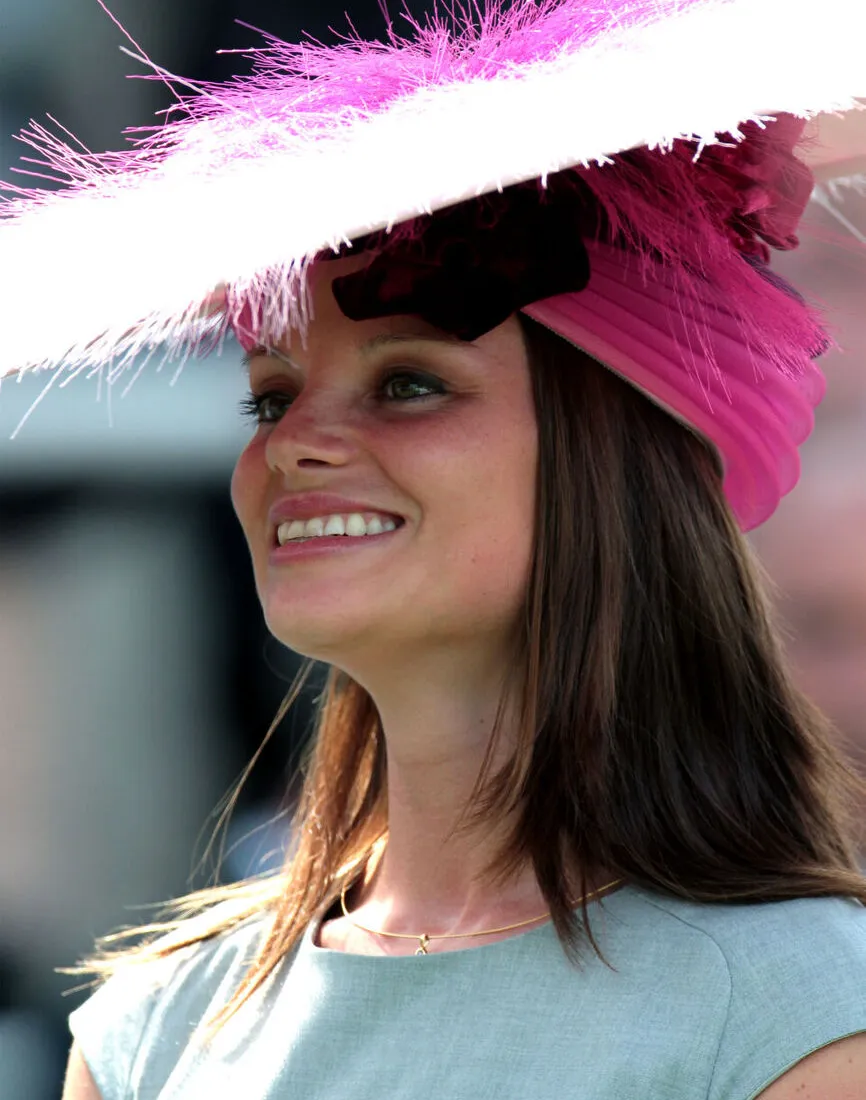
The founder
“A vocation means making your passion your profession. What I love above all is sharing my love of racehorses, sport horses and dressage horses.”
Anne-Sophie Yoh-Benet
Founder and President of YOHEA (translated from French)
After the purchase
Career, budget, winnings, second career
How do I manage my horse’s racing career?
We support you day to day. We follow the horse’s training and can report back: photos, videos, written reports. We work with the trainers on the race programme, racecourses and jockeys. On race day, we organise your visit: hospitality, private boxes, tickets, access to the stables. When it retires, we help you prepare its second career, notably with the association Au-delà des Pistes. See our racing management service.
What monthly budget should I plan for a horse in training?
Allow €1,500 to €3,000 a month: France Galop puts the cost of training in France at between €18,000 and €36,000 a year. Training fees make up the largest share; on top come farriery, routine veterinary care, transport, insurance, race entries and rest at grass. Each trainer sets their own rates: ask for them in writing, with what they include. See the monthly cost of owning a racehorse.
How is prize money shared out?
Prize money goes to the owner of the placed horse, on a scale set race by race by the governing body. A share goes to the trainer, the jockey and the stable staff. In France, there are also premiums reserved for horses born in the country, as well as breeders’ premiums. France Galop publishes the scales for Flat and jump racing, LeTrot those for trotting.
What is the owners’ premium (prime au propriétaire)?
It is a sum paid on top of prize money, reserved for French-bred horses that meet the conditions set by the governing body. It is designed to support French breeding and carries weight in the choice between a French-bred horse and an imported one. Its rate depends on the race and the horse, and it is revised periodically: check the current scale with France Galop or LeTrot.
Should you insure a racehorse?
It is not compulsory, but it is a decision to make at the time of purchase: a horse can injure itself in training and lose most of its value in a single morning. Mortality insurance covers the loss of the horse; additional cover protects against permanent loss of racing ability, transport risks or third-party liability. The premium is calculated on the declared value and on the cover chosen.
What happens to a racehorse at the end of its racing career?
It moves on to a second career, and that is prepared before its last race. Depending on its breeding, its physique and its temperament, a horse retired from racing can go on to breeding, show jumping, dressage, eventing, endurance or leisure riding. In France, the association Au-delà des Pistes helps retired racehorses find their new home. We support our clients as their horse’s racing career comes to an end.
Where to start
With the vocabulary, then the budget.
Is your question not listed here? Describe your project to us in a few lines.
Working with a bloodstock agent
Fees, profitability, selling
How is a bloodstock agent paid?
Most often by commission, calculated as a percentage of the purchase or sale price, sometimes by a fixed fee for an appraisal or advisory assignment. Before signing, check the rate and above all the transparency: an agent buying for you must not be paid by the seller of the same lot without your knowledge. Have the terms written into the mandate.
Is a racehorse profitable?
Rarely, and that is the wrong way to look at it. Winnings are concentrated on a small number of horses, and nothing guarantees that a horse will cover its costs. Any capital gain often comes from resale or breeding value rather than from race winnings. So build your project on a budget you can commit without expecting a return. See assessing a horse’s profitability before you buy.
How do you sell a racehorse?
At auction, by private sale or through a claiming race. An auction exposes the horse to the whole market on a set date: choose the right sale and reserve price. A private sale is negotiated directly, without publicity, when the horse’s value depends on a few buyers. A claiming race offers it at a price fixed in advance, with no guarantee of a claim. See our selling mandate.
Where should I start if I am new to racing?
With the vocabulary, then the budget. Our glossary defines the terms you will come across in a sale catalogue, from yearling to black type. The guide buying a racehorse in France then covers the whole process, step by step. If you would rather talk it through, tell us about your project in a few lines.
Further reading
The pages that expand on these answers
- Buying a racehorse in France
The complete guide: requirements, budget, routes to purchase and method.
- How much does a racehorse cost
The purchase price depending on the sale, then the cost per year.
- Glossary
The terms of the bloodstock trade and of racing, clearly defined.
- Buying a racehorse
How we handle a buying mandate.

A project in mind?