










Service 02 · Selling
Selling a racehorse
Who to, where, when: three decisions set the price. We value your horse against comparable sales, choose the sale route and present it to buyers able to pay what it is worth.
- Valuation
- Auctions
- Export
- Retraining
1,700+
Horses sold
YOHEA brochure, July 2024
32
Countries
YOHEA brochure, July 2024
2018
Agency founded
Valuation
With no list price, a racehorse is worth what buyers pay for it
We start from the prices recently paid for comparable horses, and cross-check four sets of data: public auction results, the level and consistency of its form, its catalogue page, the state of its veterinary file.
A consistent handicapper can be worth more as an export, where its rating gets it into better races, than in France, where it is already known.
Price ranges by category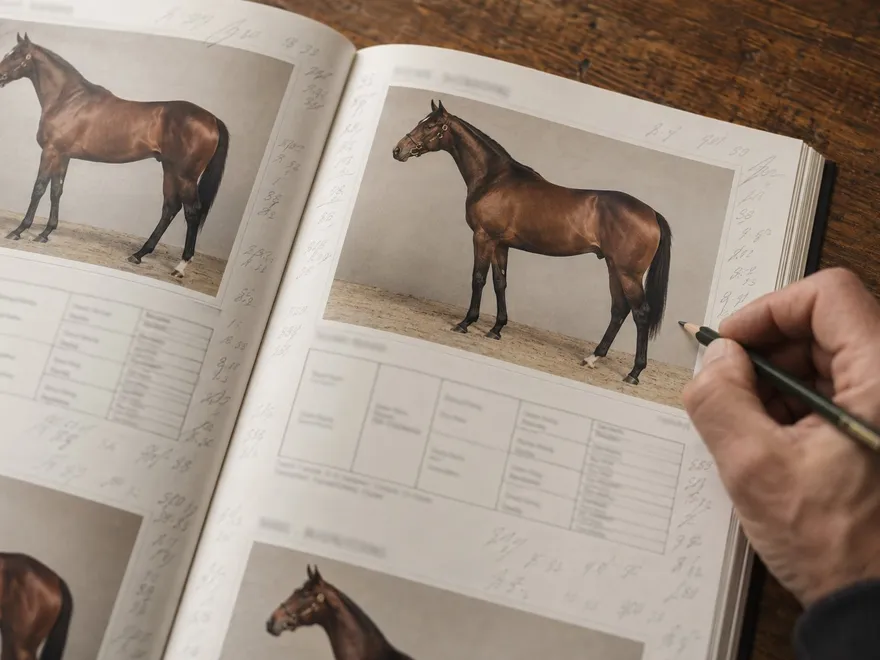
Our method
The five stages of a sales mandate
After the hammer falls, the mandate runs until ownership has been transferred.

- 01
Valuation
A value range, based on form, pedigree, age, veterinary condition and the prices of comparable horses at recent public sales.
- 02
Choosing the sale route
Public auction, private sale or export, depending on the horse’s profile and the buyers looking for it.
- 03
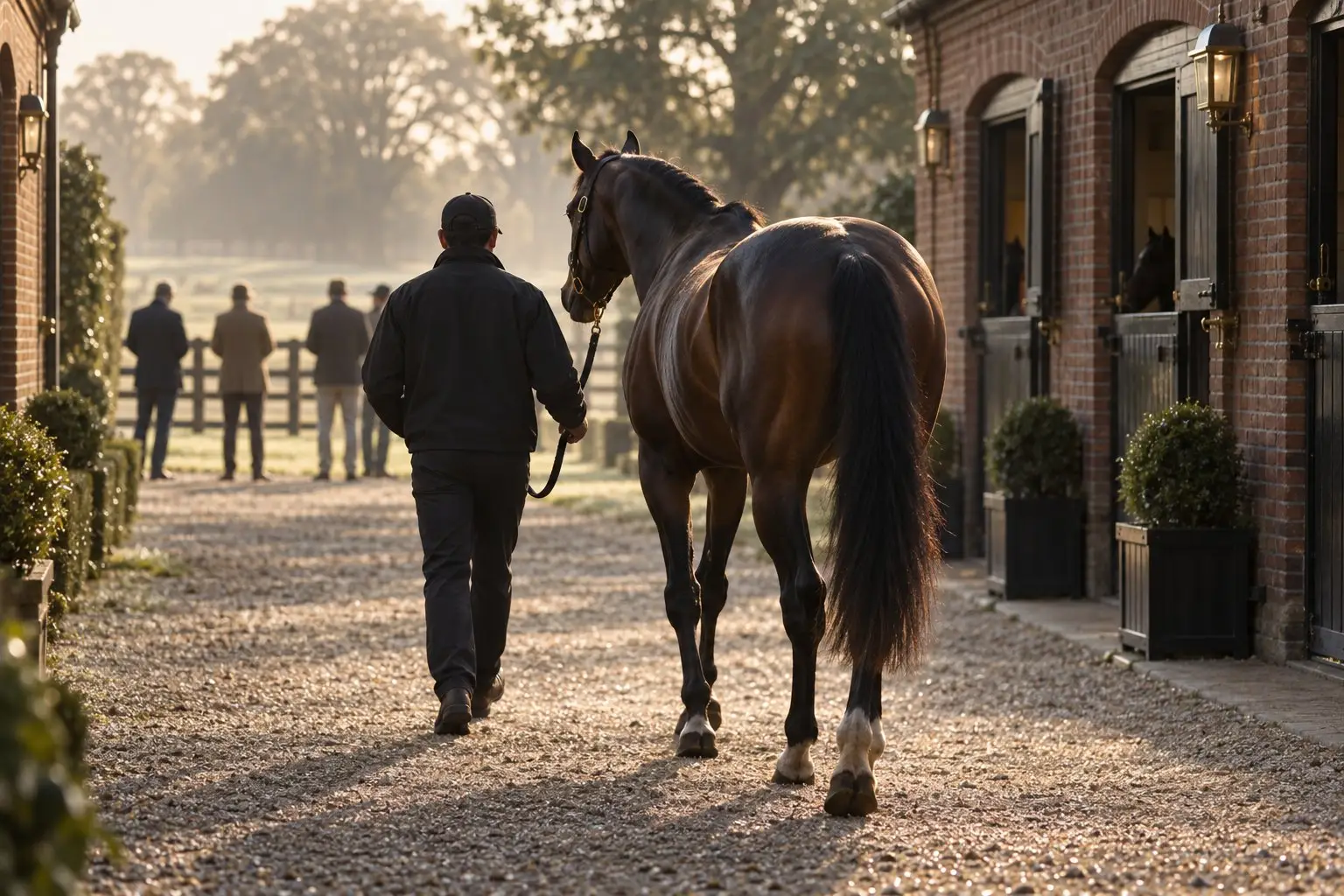
Preparation
Getting the horse into condition, presentation, putting the file together: form, entries, veterinary condition, recent X-rays if the sale requires them.
- 04
Presenting the horse to buyers
We present it to the owners, trainers and agents in our network whose plans suit it, in France and abroad.
- 05
The transaction
Negotiation, written agreement, transfer of ownership with the relevant authority, advice on transport to the new yard.
The right moment
Sell when perceived value is at its highest
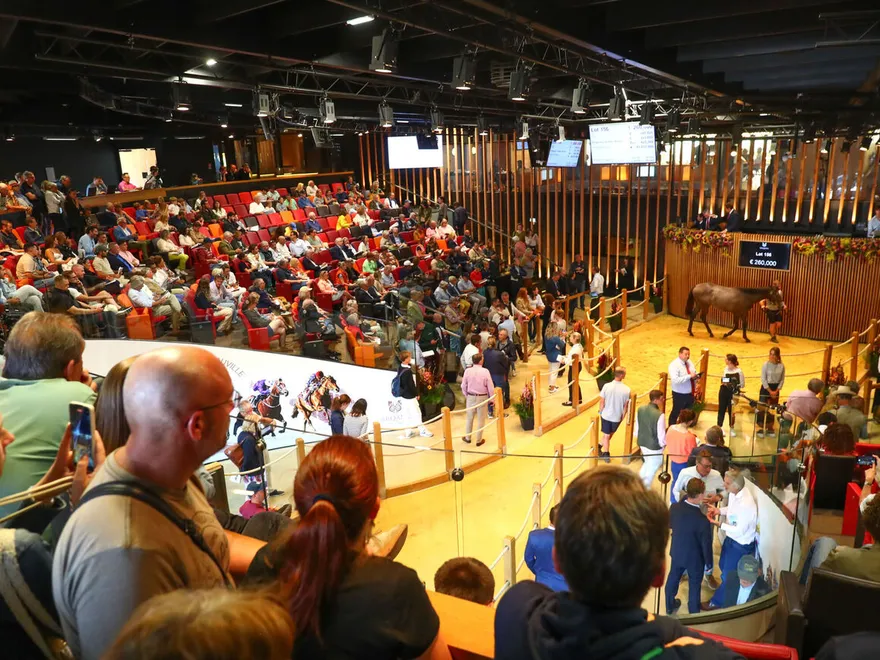
The sales calendar sets the framework: the major yearling sales in summer and autumn, breeding stock sales at the end of the year, horses in training throughout the season.
Recent form counts as much. A horse that has just won or been placed sells better in the weeks that follow: buyers buy what they have seen. Waiting for one more run is a gamble.
- After a win or a good placing, while the performance is still fresh
- Before a rise in its handicap rating makes the horse hard to place
- Before the age at which races open to its category become scarce
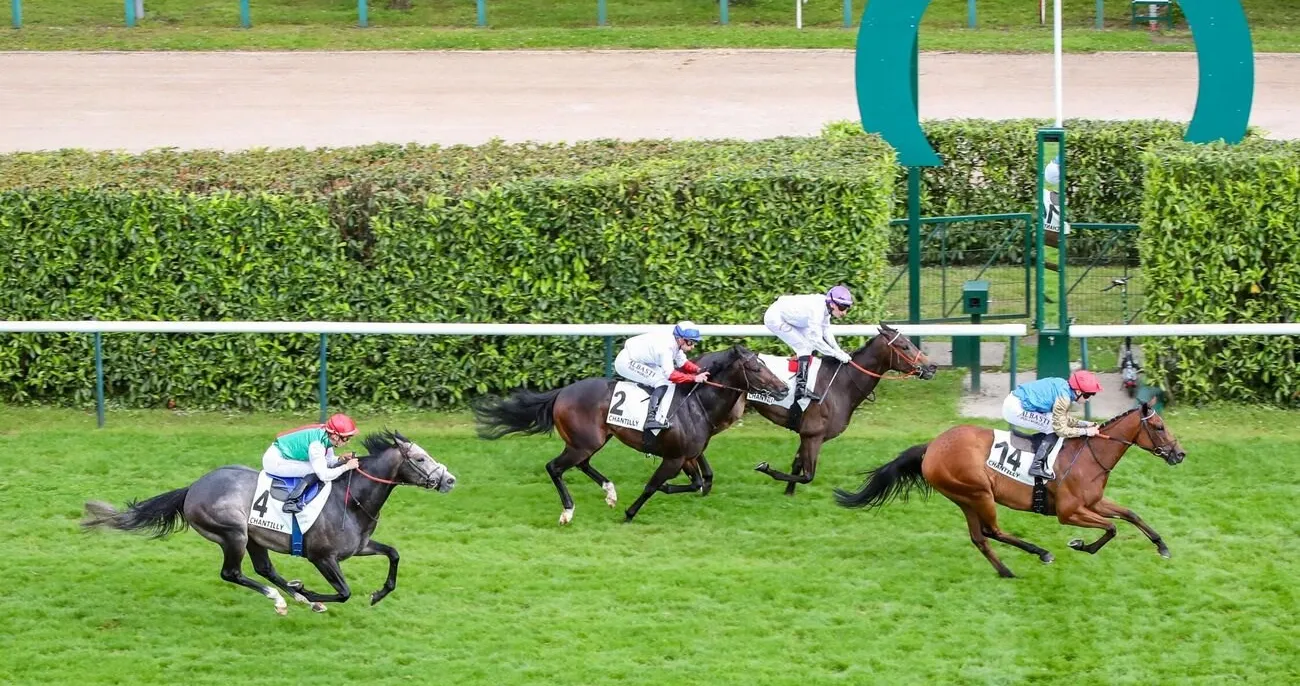
On the track
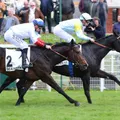
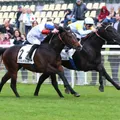
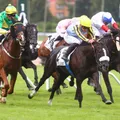
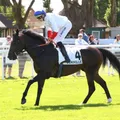
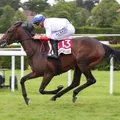
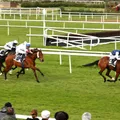
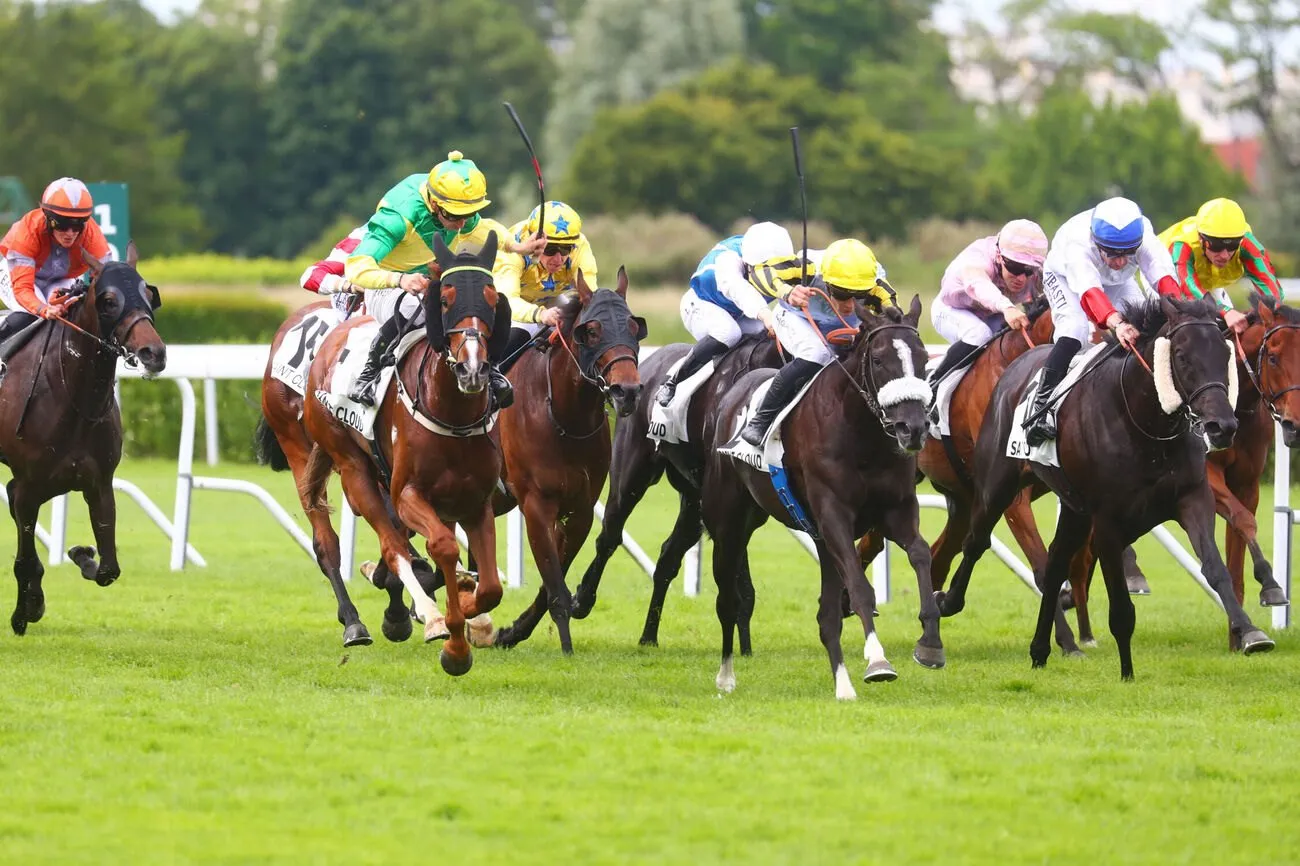
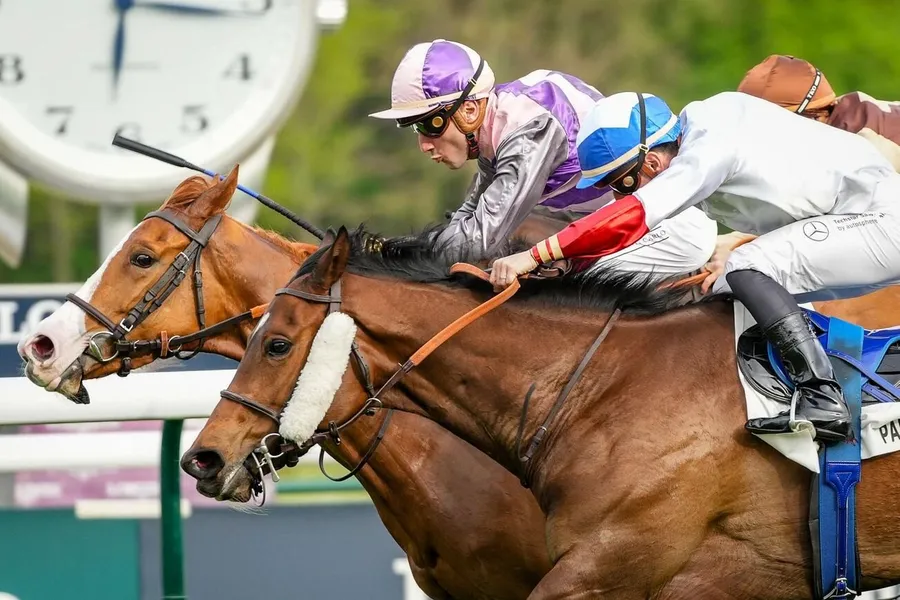
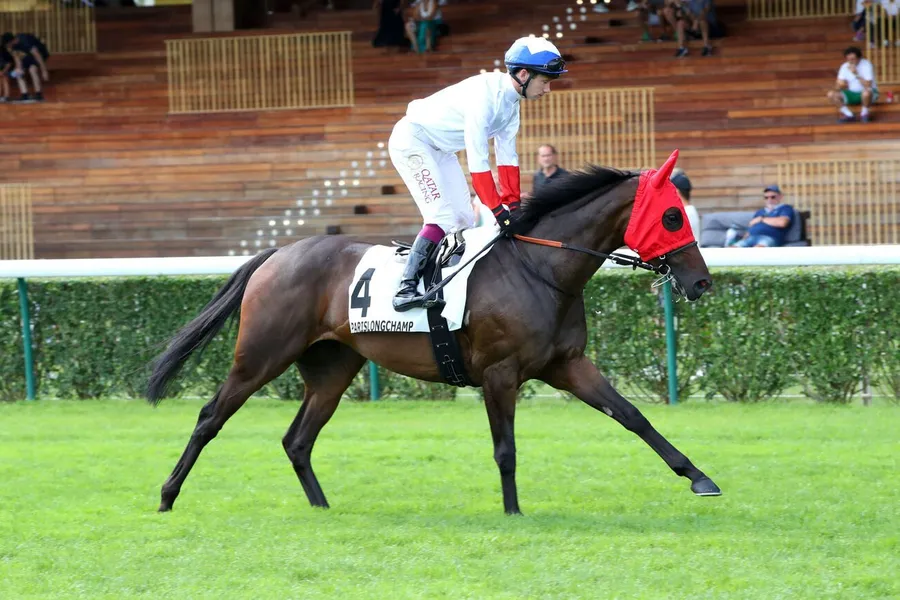
Value is built on the racecourse
Every run goes into the horse’s record, and buyers look at it first.

The principle
The same horse is not worth the same to every buyer.
The right market
Which horse sells where, and why
Putting a horse in the wrong sale means showing it to buyers who are not looking for it.
| Horse’s profile | Recommended route | Why |
|---|---|---|
| In-foal mare, filly from a well-regarded family | Breeding stock auction | That is where breeding buyers gather, and competition in the sale ring sets the price |
| Consistent horse in training, with an established handicap rating | Private sale, often for export | A handicap rating sells best to a buyer who can build a race programme around it |
| Yearling or foal you have bred | Auction for that category | Immediate comparison with horses of the same breeding |
| Horse at the end of its racing career | Private sale, to sport or leisure riding | Price is no longer the issue; the destination is |
The market
Your buyers are in France and abroad
The market for a French horse does not end at the border: most of our clients are based outside France.
- 1,700+
- Horses sold by the agency
- 32
- Countries where the agency has sold horses
YOHEA brochure, July 2024
YOHEA brochure, July 2024
Life after racing
Retired racehorses: preparing for a second career
A Thoroughbred retired from racing can go on to sport, breeding or leisure. The move takes time, a serious buyer and an honest assessment of what the horse can still do.
We help our clients prepare for the end of a racing career, notably with organisations such as Au-delà des Pistes, which helps horses retired from racing find a new life.
What a trainer says
“Working with Anne-Sophie is a real pleasure, […] her professionalism, her transparency, her passion for horses […]”
Armony Tinchon
Trainer (translated from French)
Frequently asked questions
What owners ask before selling
How do you sell a racehorse without advertising it?
Through a sales mandate: it opens up a network of buyers without announcing publicly that you are selling, a piece of information that weighs on the price. That network brings together trainers looking to fill boxes, overseas owners looking for a specific profile and agents buying on behalf of others. Online marketplaces mainly serve leisure horses.
When should you sell a racehorse to get the best price?
When its perceived value is at its peak, which is almost never the moment you decide to sell: after a win or a good placing, before a rise in its handicap rating makes it hard to place, and before the age at which races open to its category become scarce.
How do you work out what a racehorse is worth?
By comparison: a racehorse has no list price, and its value is worked out from the prices recently paid for comparable horses. We cross-check public auction results, the level and consistency of its form, its catalogue page and its veterinary file. The same horse can have two different values, depending on whether the buyer is French or from abroad.
What happens to a horse once it retires from racing?
A horse retired from racing can go on to sport, breeding or leisure. Its retraining takes time, a serious buyer and an honest assessment of what it can still do. In France, the non-profit Au-delà des Pistes is dedicated to this work, and we help our clients prepare for the move.
Further reading
The other side of the business
- Buying a racehorse
What we do when we are on the other side of the sale ring.
- How much a racehorse costs
Price ranges by category, when buying and when reselling.
- Our horses
The horses we have bought and sold.
- Racehorse management
Following a horse right up to the moment it is sold.

Have a horse to sell?
Every horse has its market
Form, age, veterinary condition: describe your horse, and we will tell you which sale route suits it.
- A first conversation, with no commitment
- More than 1,700 horses sold in 32 countries
- Most of our clients are based outside France