














Analysis · Disciplines
Flat, jumps, trotting: which discipline for your racehorse?

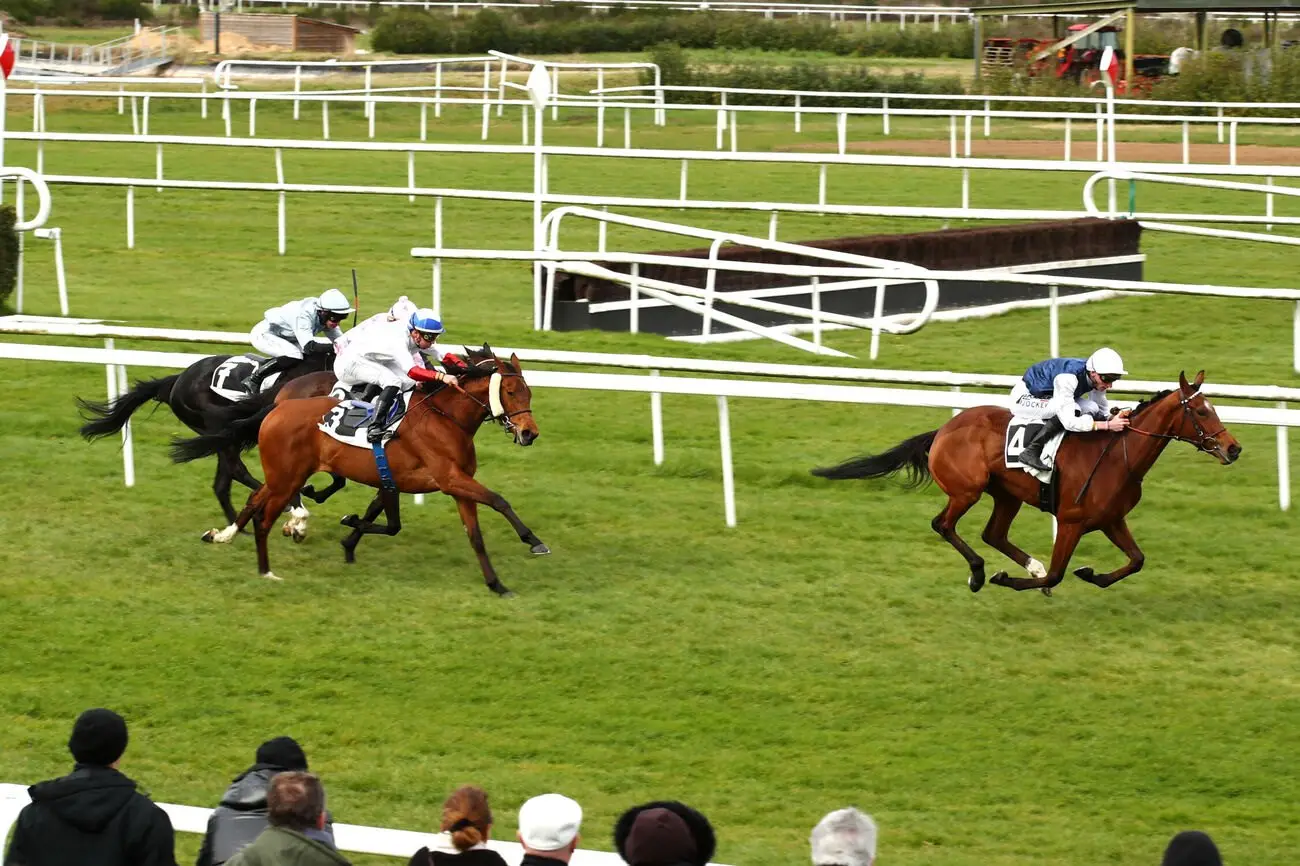
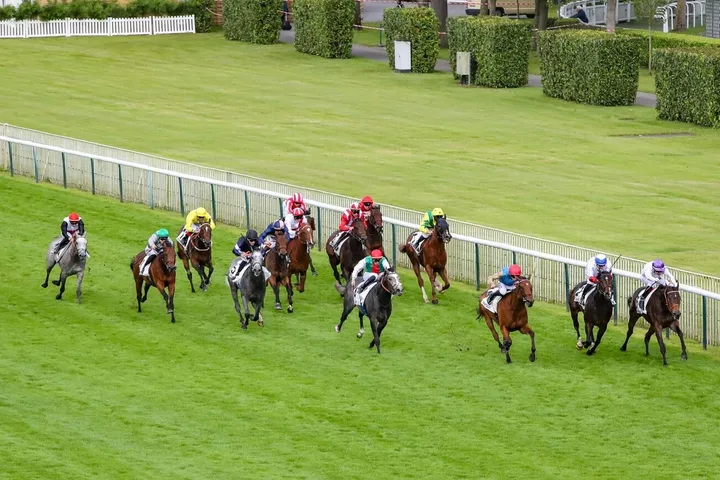
Choosing a discipline is an owner’s first big decision, and the one with the most consequences. Flat racing, jump racing and trotting differ in their cost of entry, the time before a horse first runs, the length of a career and their resale market: this is not a matter of aesthetic preference.
Flat, jumps, trotting: what the discipline changes for an owner
For a description of the breeds and the categories of races, see the guide’s chapter on Flat, trotting, AQPS and jumps.
| Criterion | Flat | Jumps | Trotting |
|---|---|---|---|
| Main breeds | Thoroughbred, Purebred Arabian | Thoroughbred, AQPS | French Trotter |
| Age at first run | 2 years old | 3 to 4 years old | 2 to 3 years old |
| Usual career length | Short, often 2 to 4 years | Long, up to 10 years and beyond | Long, up to 10 years |
| Governing body | France Galop | France Galop | LeTrot |
| Where prices are set | Yearling and foal sales | Specialist sales and private sales | Dedicated sales and private sales |
| Breeding value after racing | High, especially for fillies and mares | Moderate | Real, with a separate market |
| How often horses run | Well spaced | Well spaced | Frequent |
No discipline is better than another: each meets a different expectation. Choose according to yours.
What each discipline asks of an owner
Flat racing: short, fast, and the most liquid
On the Flat, everything moves quickly. A horse makes its debut at two, its value shows within a few runs, and its career is often over before the age of five. The Flat also has the deepest market: yearling sales account for most of the transactions, and a horse that earns black type sees its resale value rise immediately.
The flip side is the brutality of the calendar. The verdict comes early: a horse that has not shown its worth at two or three has few windows left to make up for it. It is the discipline that demands the most composure from a first-time owner.
Jump racing: slower, longer, easier to read
Over jumps, horses start later, often at three or four, and race for a long time: a jumps horse that finds its level can race for seven or eight seasons. For an owner, that changes everything: the budget is spread out, race days multiply, and the relationship with the horse builds over time.
The AQPS plays an important role in this branch of racing. These French racehorses, which are not Thoroughbreds but carry a high proportion of Thoroughbred blood, are known for maturing later and being tougher. Their cost of entry is generally lower than that of a Flat Thoroughbred of comparable quality.
Trotting: a world of its own, with its own rules
Trotting comes under a different governing body, LeTrot, with its own owner registrations, its own sales and its own breeding. The French Trotter, a breed selected for this gait, is late-maturing and durable: its careers frequently continue until the age of ten.
For an owner, trotting has two distinctive features: horses run more often, which multiplies the chances of being placed, and French breeding holds a dominant position, which limits competition from imported horses.
The special case of French-bred horses
Horses born and raised in France, or treated as such, qualify for premiums paid on top of prize money, to support French breeding, on conditions specific to each discipline. Each governing body sets its own scale: France Galop for Flat and jump racing, LeTrot for trotting. These premiums significantly change the equation for an owner hesitating between a French-bred horse and an imported horse of comparable quality.
Key takeaways
- Flat: a Thoroughbred can run from two, career often over before the age of five.
- Jumps: debut often at three or four, with seven or eight seasons possible for a horse that finds its level.
- Trotting: a separate governing body, LeTrot, and careers that frequently continue until the age of ten.
- AQPS: a cost of entry generally lower than that of a Flat Thoroughbred of comparable quality.
- Horses born and raised in France, or treated as such: on the Flat and over jumps, owners’ premiums on top of prize money. In trotting, LeTrot sets the scale.
Frequently asked questions
At what age does a racehorse make its debut?
How long does a racehorse’s career last in each discipline?
What is an AQPS horse?
Which discipline suits a breeding or resale project?
Do horses born in France qualify for premiums?
Summarise this article with AI
Open it in your assistant, or read the markdown version.

Written by
Anne-Sophie Yoh-Benet
Founder and bloodstock agent
A graduate of the MESB master’s programme at the University of Dijon, she worked at France Galop and then at French Bloodstock Agency before founding YOHEA in 2018. A dressage rider, she rides at Prix St Georges level.