


Service 03 · Management
Racehorse management
Buying a horse takes a few weeks, racing it takes years. We follow its training, build its race programme with the trainer and report back to you.
- Trainer
- Programme
- Racecourses
- Jockeys
2018
Agency founded
1,700+
Horses sold in 32 countries
YOHEA brochure, July 2024
Haras de Hus
Run by Anne-Sophie Yoh-Benet from 2022
The principle
Between the trainer and you, someone prepares the decisions
The trainer decides on the work, the owner on the money and the ownership. A third role prepares the decisions and makes sure they are taken at the right time.
Without it, an owner who lives far away follows the horse through its results and finds out about problems too late. We take on that role for you.
We manage horses in training as well as breeding stock. In 2022, Anne-Sophie Yoh-Benet took over the running of Haras de Hus (show jumping and dressage).
Choosing the trainer
Six criteria for choosing a trainer
The choice of trainer weighs on a career as much as the purchase price. These criteria are weighted according to the horse.
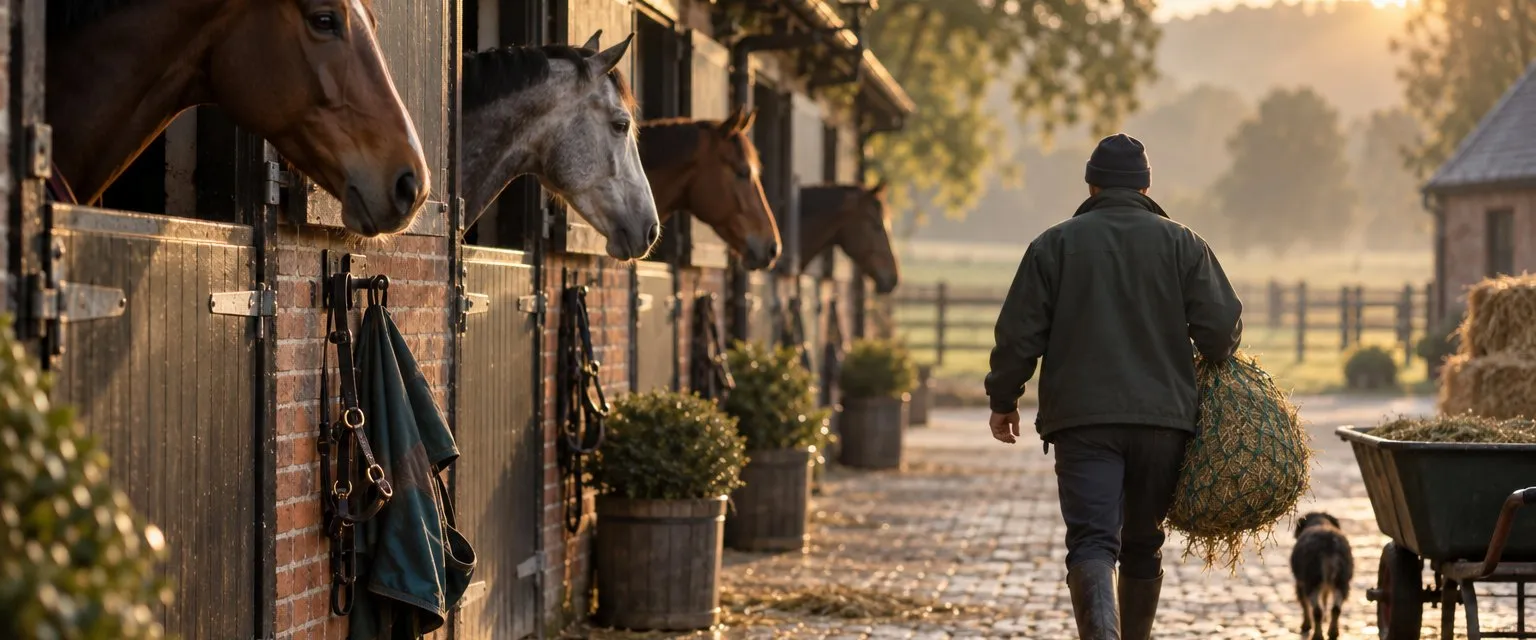
- 01
Their real specialism
Flat, jumps or trotting, and within the Flat: precocious two-year-olds, stayers, fillies. Their statistics by category say more about their specialism than their pitch.
- 02
Success relative to string size
A trainer who wins a lot with 150 horses does not necessarily win more, proportionally, than a low-profile trainer with 25.
- 03
Where they train
Chantilly, Deauville, Maisons-Laffitte, Pau, Grosbois for trotters: each centre offers different gallops, working conditions and racecourses.
- 04
The size of the yard
An average horse in a big yard comes after the best ones. The same horse may be a priority in a smaller yard.
- 05
The quality of their reporting
With a trainer who explains their decisions, you can act in time.
- 06
The monthly cost
Training fees vary from one training centre and one yard to another. Compare them like for like, never on the price alone.
Follow-up
Written reports, photos, videos
We follow the horse’s training and can report on it. An owner should know at all times where the horse stands, what it has cost and earned, and what comes next.
On race day, we organise your visit to the racecourse, including access to the stables. Runners, results and prize money are public on the France Galop website; we bring you the interpretation of those results, and the decisions that follow from them.

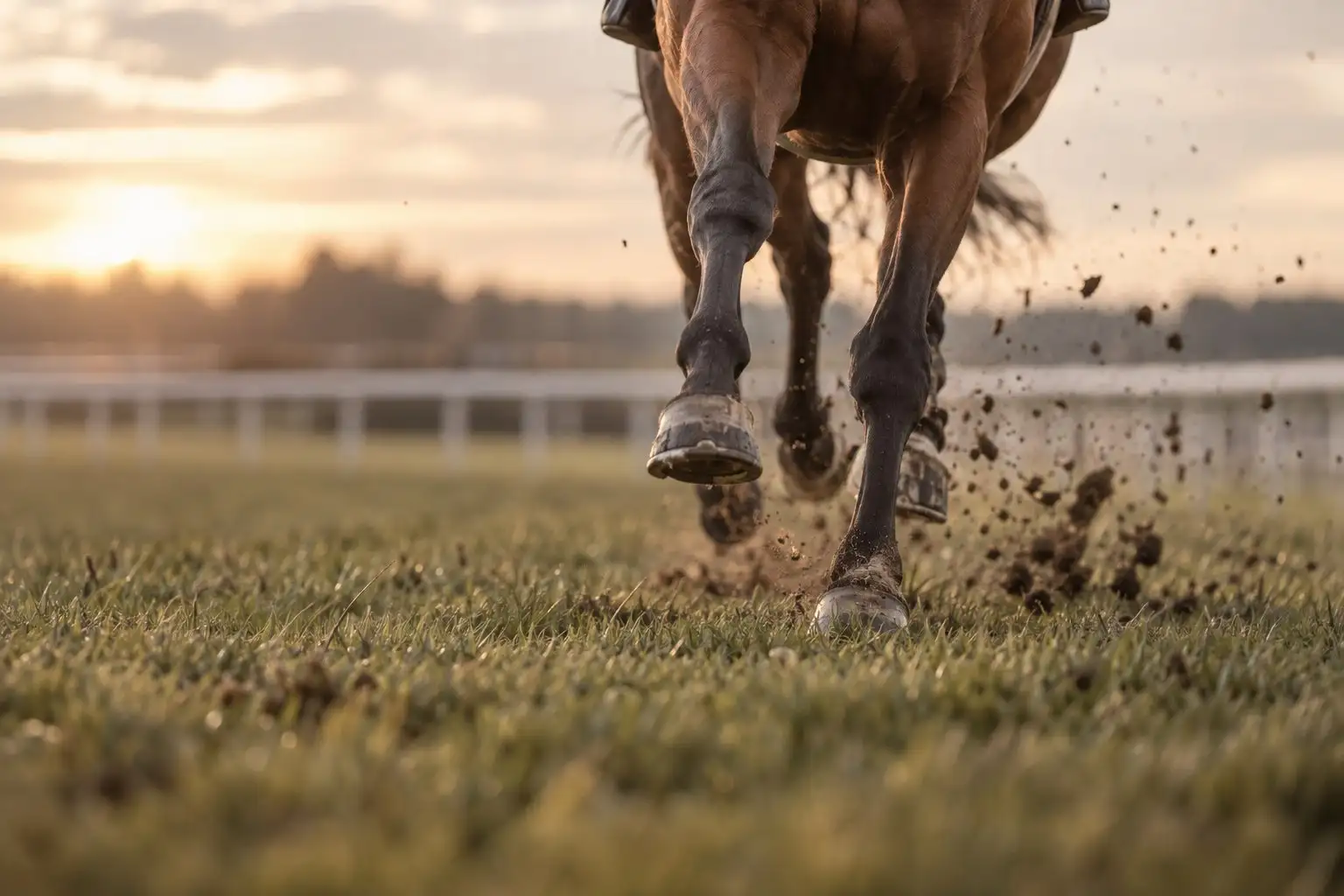
After the sale, October 2021
“They’re going to stay in France, and we’ll then decide on trainers according to the profile of each one of them.”
Anne-Sophie Yoh-Benet, quoted by Arqana, Deauville, 21 October 2021 (translated from French)
Speaking about the five yearlings the agency bought that week at Arqana’s October Yearling Sale.
Over twelve months
Twelve months in training, and what gets decided
Step by step, the decisions that fall to the owner.
| Period | What happens | What gets decided |
|---|---|---|
| Arrival at the yard | Breaking in or return to work, first canters, health checks on arrival | The provisional schedule and the objective for the season |
| Building up | Steady fitness work, first pieces of fast work | When to make the first entries |
| First entries | Choice of races, declaration of runners, choice of jockey | The racecourse, the trip, the level of the race |
| Racing season | A cycle of racing, recovery and new entries | How often the horse runs, and the next programme |
| Break | Turned out or on box rest, any treatment needed | How long the break lasts and the plan for coming back |
| End of season | Sporting and financial review | Carry on, change trainer, sell, retire |
The programme
A race programme is built backwards
We set the horse’s realistic objective for the season first, then work back through the calendar to the races that lead to it. Handicap rating, age, sex, aptitude for trip and ground, how close the racecourses are and the expected number of runners all come into it.
The horse should run where it has a chance of being in the frame, with the weight and the ground that suit it. We build that programme with the trainer, down to the choice of racecourses and jockeys.
The monthly cost of a racehorse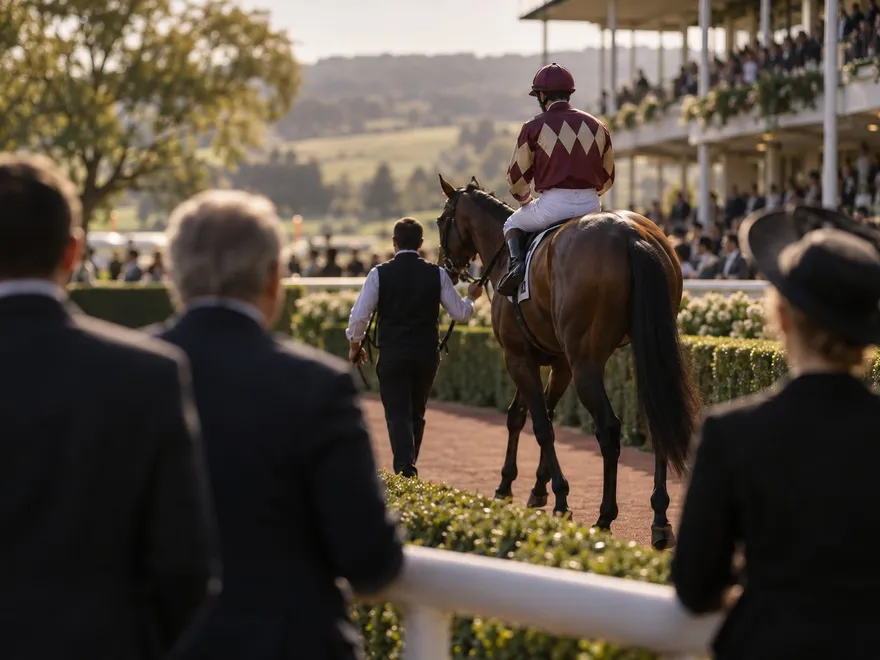
The division of roles
Who decides what
The proposal to enter a race comes from the yard, and the owner does not always have what they need to discuss it. We provide it.
What stays with the trainer
- Daily work and training load
- Fitness, and the timing of bringing the horse to its peak
- Proposing race entries
- Routine care at the yard
What we prepare with you
- Choosing the trainer, according to the horse’s profile
- The race programme, racecourses and jockeys
- Following the horse’s training, and the reports on it
- The end of its career: sale, retraining
Race days
Where a career is made
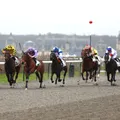
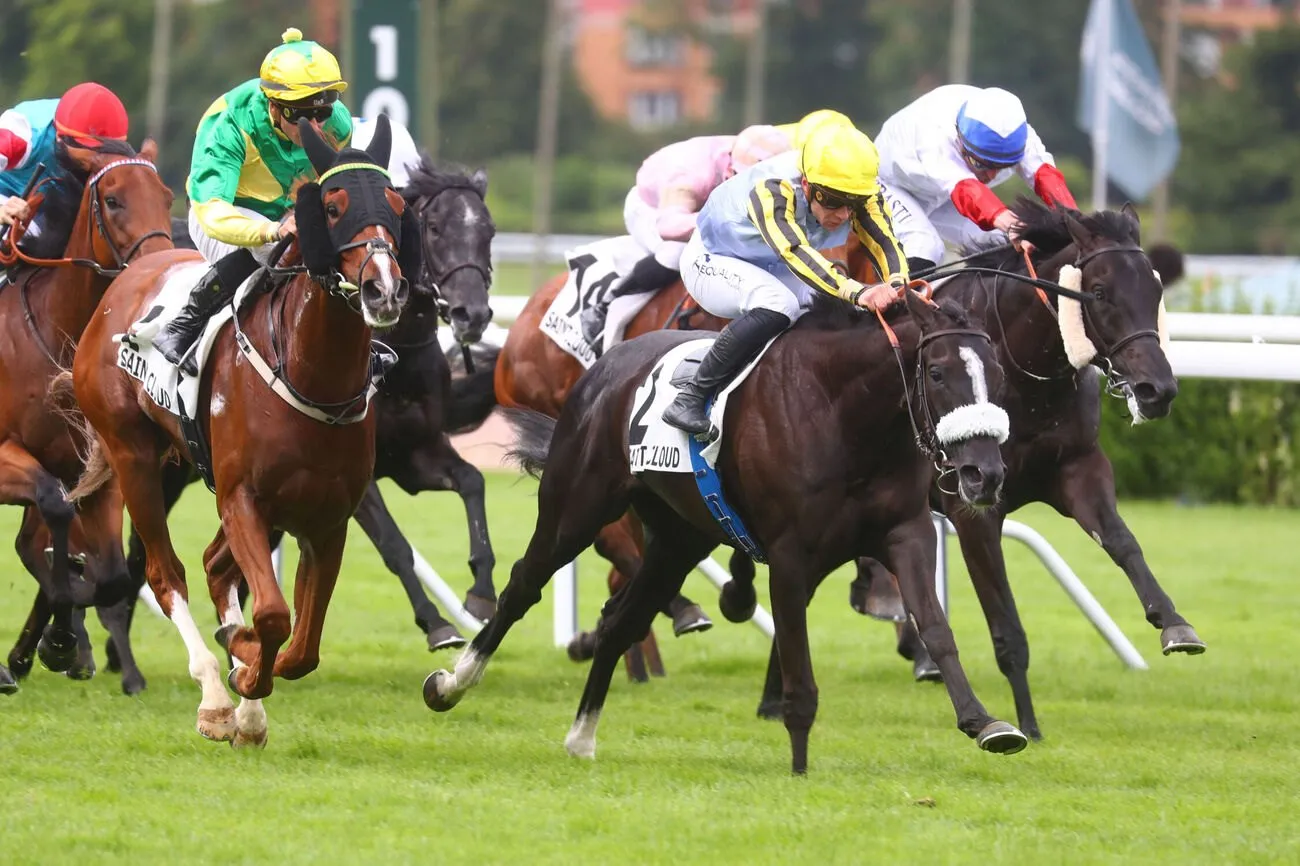
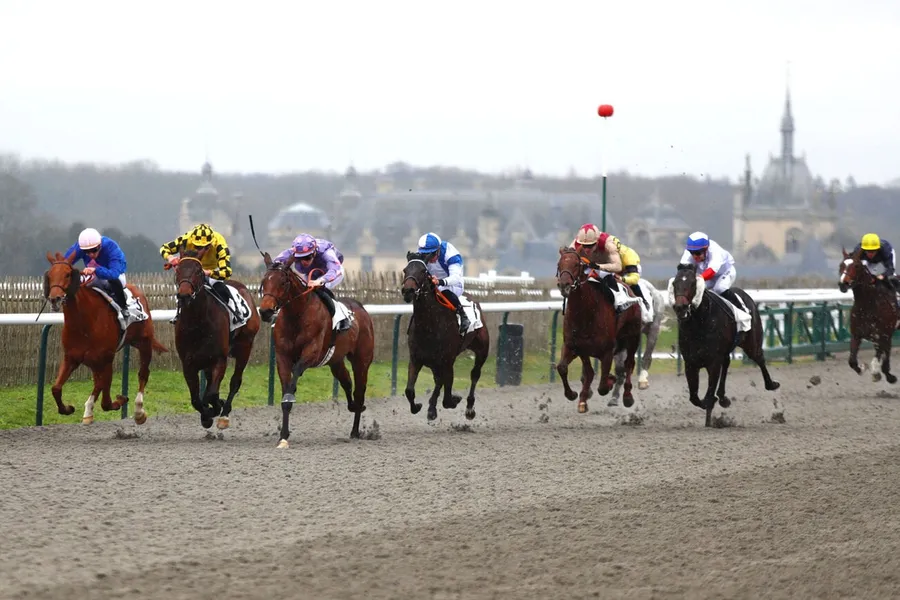
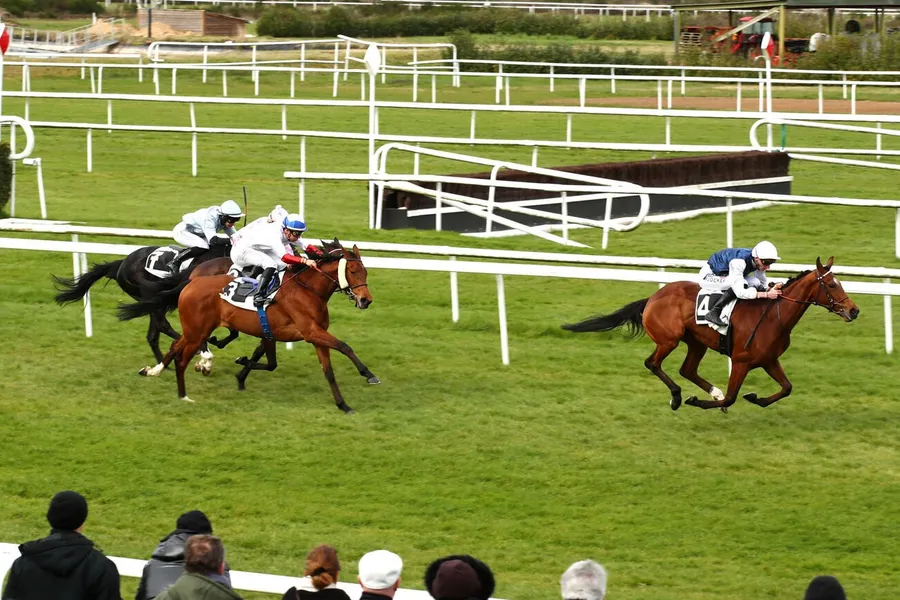
Flat on turf or all-weather, jumps: every horse has its surface, every surface its programme.
Warning signs
Three signs that cannot wait for the end of the season
These three situations mean reopening the file without waiting for the calendar.
- The handicap rating has gone up, and performances are no longer keeping pace. The horse is becoming hard to place. This is often the right time to sell.
- The horse has stopped progressing over two or three comparable runs. Look into the cause before changing anything: health, ground, trip, or training that does not suit its profile.
- The annual cost consistently outweighs any prospect of earnings. The decision is then a financial one.
An agency with an international outlook
Most of our clients are from outside France
We travel in France and internationally. Wherever you live, our written reports, photos and videos of training sessions let you follow your horse, not just its results.
- 1,700+
- Horses sold by the agency
- 32
- Countries where the agency has sold horses
YOHEA brochure, July 2024
YOHEA brochure, July 2024
What a fellow agent says
“I must add that she was an outstanding saleswoman, capable of running every aspect of a racing stable […]”
Jean-Pierre Deroubaix
Director of French Bloodstock Agency (translated from French)
Frequently asked questions
What owners ask us
How should I manage my racehorse’s career?
By separating three roles: the trainer decides on the work, the owner on the money and the ownership, and a manager prepares the decisions. That is our role: following the horse’s training, reporting on it (written reports, photos, videos), building the race programme with the trainer, down to the choice of racecourses and jockeys, then preparing for the end of its career, notably with retraining organisations such as Au-delà des Pistes.
How do you choose a trainer for your racehorse?
On six criteria, weighted according to the horse: the trainer’s real specialism, as shown by their statistics by category; their success relative to the size of their string; their training centre; the size of their yard; the quality of their reporting; and the monthly cost of their training fees, compared like for like.
Who decides the race programme?
The owner, on the trainer’s recommendation. The proposal comes from the yard, and the owner does not always have what they need to discuss it. The manager provides it: what the race is worth, what it pays, what the horse risks in it.
What follow-up should an owner expect?
Three pieces of information at all times: where the horse stands, what it has cost and what it has earned, and what comes next. Runners, results and prize money are public on France Galop; the manager provides the follow-up of the horse’s training, written reports, photos and videos, and the interpretation of results.
Further reading
Before, during, after
- Buying a racehorse
How we buy the horse we then go on to manage.
- The monthly cost of a racehorse
Training fees, care, entries: the budget for a horse in training.
- Becoming a racehorse owner
France Galop registration, colours, forms of ownership.
- Race record
Results of the horses that have passed through the agency.

A horse already in training?
Let’s review where it stands
Its trainer, its runs, its cost: before the next deadline, we will tell you what needs deciding now and what can wait.
- A first conversation, with no commitment
- Written reports, photos and videos of training sessions
- Most of our clients are based outside France